Introduction
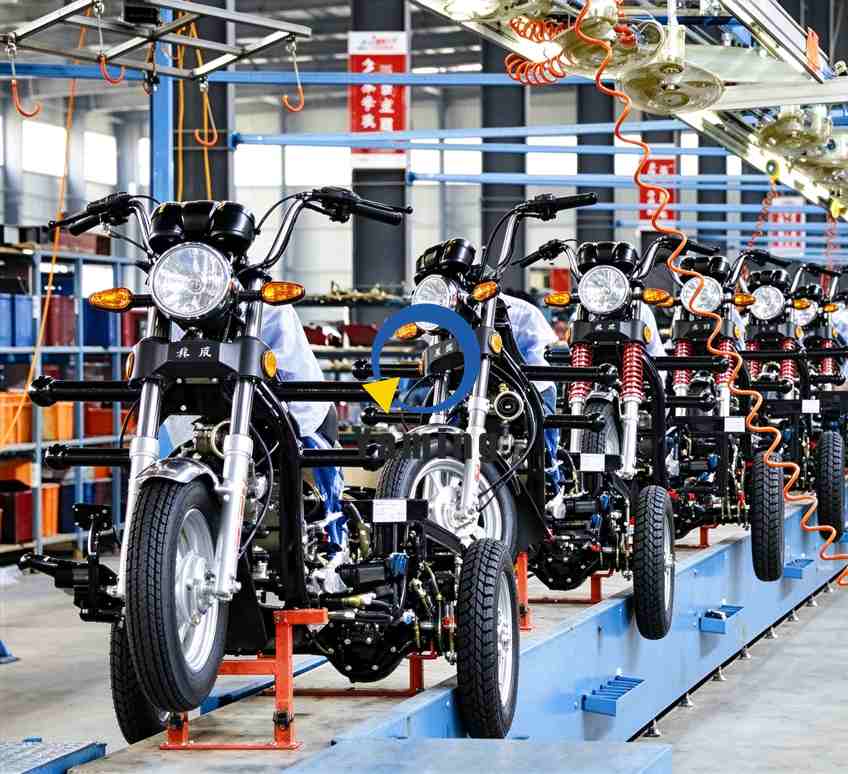
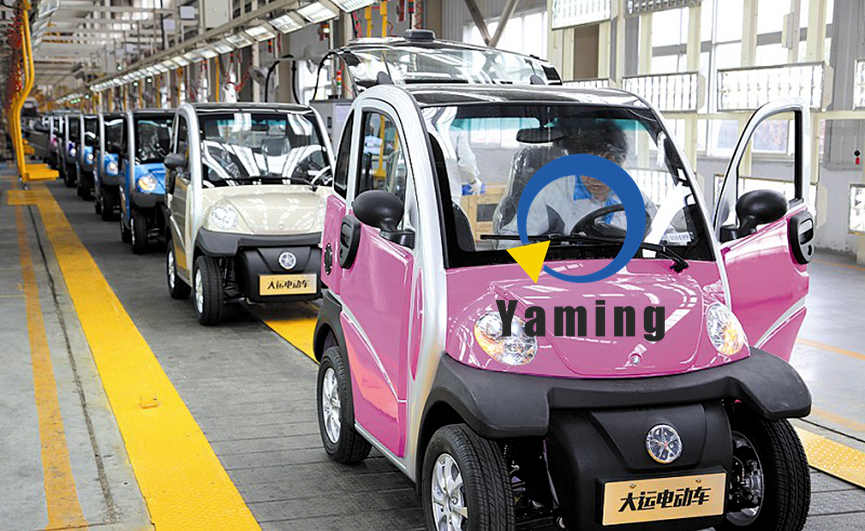
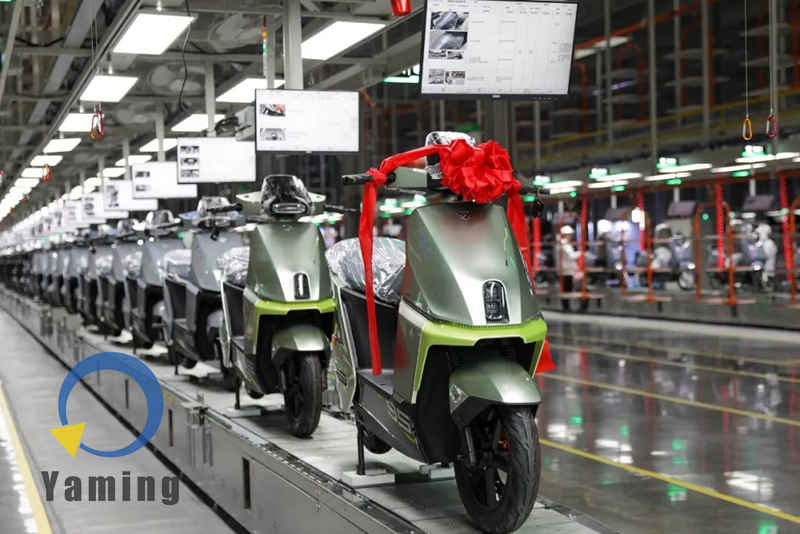
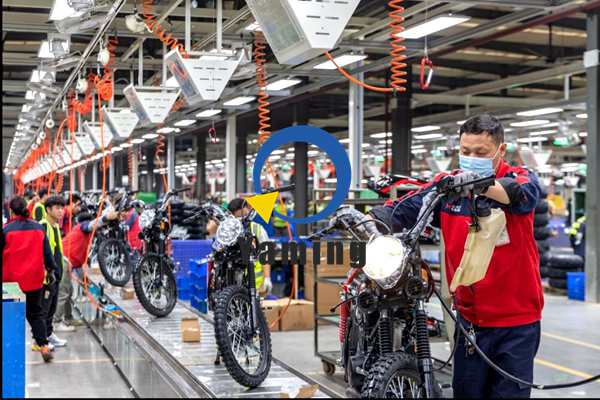
As a widely used means of transportation, motorcycles maintain strong market demand for mass production. Traditional manual assembly lines face challenges such as inconsistent efficiency, high labor dependency, and quality fluctuation. Upgrading to automated production lines enables manufacturers to complete tasks with faster speed, higher precision, and reduced labor input—directly addressing pain points of traditional production. This guide details practical methods and key focus areas for the automation upgrade of motorcycle assembly lines.
1. Robotic Assembly: Replace Manual Labor with Precise Mechanical Operations
Traditional motorcycle assembly relies heavily on manual work for core processes, leading to inconsistencies in assembly quality and efficiency.
- Key Application Scenarios:
Deploy industrial robots for repetitive, high-precision tasks such as engine component fitting, frame welding, wheel installation, and bolt tightening.
Robots achieve consistent operation speed (avoiding fatigue-related slowdowns) and repeat positioning accuracy within ±0.1mm, reducing assembly errors caused by human factors. For example, engine assembly cycle can be shortened by 25% compared to manual operations, while reducing rework rates due to misalignment.
Select robots with load capacities matching motorcycle components (e.g., 50-200kg for frame assembly) and configure flexible grippers to adapt to different part shapes.
2. Automated Logistics: Streamline Material Transfer Without Manual Intervention
Traditional part transportation relies on forklift operators or manual handling, which is time-consuming and prone to delays or damage.
Adopt Automated Guided Vehicles (AGVs) and conveyor systems to connect warehouses, part storage areas, and assembly workstations.
- AGVs with laser navigation transport bulk parts (e.g., engines, seats) from warehouses to designated assembly stations, with automatic path adjustment to avoid obstacles.
- Belt conveyors transfer small parts (e.g., screws, wires) to each workstation in sequence, synchronized with the assembly rhythm.
Reduce material transfer time by 40%, eliminate human error in part delivery, and ensure continuous supply of materials to the production line.
3. Vision Inspection: Enhance Quality Control with Objective Detection
Manual visual inspection is limited by subjectivity, easily missing defects such as part size deviations, surface scratches, or incorrect assembly.
Install machine vision systems at key inspection nodes (e.g., after frame welding, engine assembly, and final vehicle inspection).
- Use high-resolution cameras and image processing algorithms to verify part dimensions, shape consistency, and color matching (e.g., ensuring brake caliper installation is in place).
- Detect subtle defects such as welding cracks or battery terminal oxidation that are difficult to identify manually.
Improve inspection accuracy to over 99%, reduce quality disputes caused by missed inspections, and lower the cost of post-sales maintenance.
4. Data Analysis & Process Optimization: Drive Continuous Improvement with Real-Time Data
Automated production lines generate massive operational data, which can be leveraged to identify bottlenecks and optimize processes.
Collect production speed, equipment downtime, part pass rates, robot operation parameters, and logistics transfer efficiency.
- Use MES (Manufacturing Execution System) to integrate data, monitor production status in real time, and send early warnings for abnormal equipment (e.g., robot malfunction, material shortage).
- Analyze historical data to adjust process parameters: for example, optimize robot movement paths to reduce idle time, or adjust logistics scheduling based on peak production periods.
Reduce production line downtime by 30%, optimize resource allocation, and gradually improve overall production efficiency through iterative adjustments.
5. Employee Training & Support: Ensure Smooth Transition to Automated Operations
Automation upgrades change work content and skill requirements for employees, requiring targeted training and support.
- Technical operation: Train employees to operate robot control panels, troubleshoot basic equipment issues, and use vision inspection system software.
- Process adaptation: Help employees understand the coordination between automated equipment and manual work (e.g., how to assist robots in loading special parts).
Establish a dedicated technical support team to respond to on-site problems promptly; set up a feedback channel for employees to report equipment malfunctions or process improvement suggestions.
Reduce adaptation time for employees to 1-2 weeks, minimize production disruptions caused by operational unfamiliarity, and improve team acceptance of automated equipment.
If you have any questions or needs about the automated assembly line, please contact us via email: [email protected]