I. Core Positioning: Conveyor Line as the Core Carrier of Full-Process Quality Control
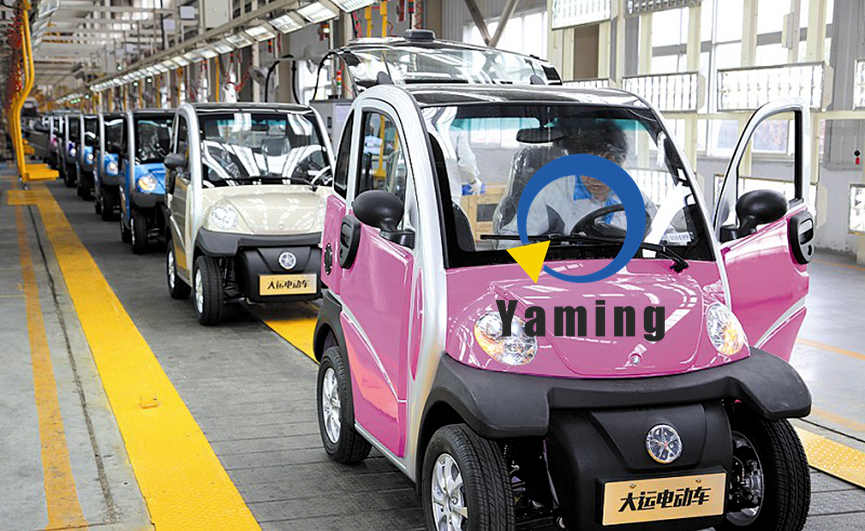
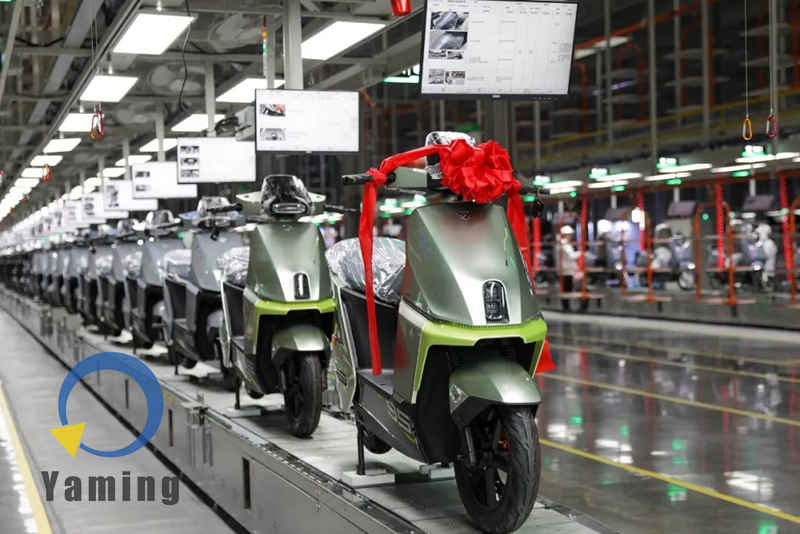
In the field of electric vehicle (EV) assembly production, the conveyor line system is not only a transportation channel for materials, but also the core carrier for realizing full-process quality control. Recently, the intelligent conveying production line built by our company for a well-known motor enterprise was officially put into operation. Through an innovative assembly line design, it has achieved a breakthrough result of continuous zero-defect production, setting a new benchmark for quality control in the industry.
II. Innovative Design: Building a Zero-Defect Production Guarantee System
(1) Modular Intelligent Conveying and Data Traceability
- Adopts a combined solution of “modular roller conveying system + smart pallets”, with each pallet embedded with an RFID chip to real-time record motor production status, process parameters and quality data, enabling full-lifecycle traceability;
- The conveyor line speed can be automatically adjusted according to different motor models. For example, at the rotor dynamic balance testing station, the line actively slows down to 0.5 meters per minute, creating a stable environment for high-precision testing.
(2) Full-Process Quality Interception Mechanism
- 17 quality interception points are set between key stations. When the detection system identifies an abnormality, the conveyor line in the corresponding station section will automatically stop and trigger an audio-visual alarm, preventing defective motors from entering the next process;
- A dedicated constant-temperature conveying channel is designed between the stator winding and varnish dipping processes, ensuring the temperature of motor components remains stable within process requirements during transportation and avoiding quality impacts caused by environmental factors.
(3) Dual-Track Parallel Assembly Conveying Design
- The assembly section innovatively adopts a dual-track parallel transportation mode: the main line is responsible for the circulation of qualified products, and the auxiliary line is specially used for temporary storage and re-inspection of suspicious products;
- When any detection point sends an early warning signal, the conveying system automatically switches the current pallet to the auxiliary line. After quality engineers confirm the completion of processing, it will decide to return to the main line or enter the maintenance channel, realizing closed-loop management of quality issues.
(4) Digital Visualization and Intelligent Logistics Collaboration
- A total of 132 sensor nodes are deployed across the entire assembly line, real-time monitoring key parameters such as pallet position, conveying speed, and environmental temperature and humidity;
- The central control system constructs a 3D model of the conveyor line through digital twin technology, which can real-time display the precise position of each motor, completed processes and pending work orders, achieving full visualization of the production process;
- AGV trolleys seamlessly connect with the main conveyor line: when the system detects that the material inventory at a certain station is below the safety threshold, it automatically dispatches AGVs to retrieve materials from the automated warehouse and operates synchronously with the conveyor line at the designated interface to complete material replenishment, with no manual intervention required throughout the process.
III. Key Achievements: Dual Leap in Efficiency and Quality
- Production Efficiency Improvement: The turnover time of work-in-progress during motor production is shortened by 45%, and the waiting time between processes is reduced by 60%, significantly enhancing production continuity;
- Quality Control Breakthrough: Thanks to the improved real-time quality interception mechanism, the rework rate has dropped to less than 0.1%; the system has been operating stably for over 1,500 hours, transporting more than 80,000 various motor components, achieving true continuous zero-defect production.
IV. Future Planning: Upgrading Predictive Maintenance Functions
In the future, we will further optimize the intelligent algorithms of the EV assembly line system and plan to implement predictive maintenance functions within this year. By analyzing data such as transmission motor current and vibration, potential equipment failures will be predicted in advance, providing a more reliable conveying guarantee system for EV motor production and continuously consolidating the advantage of zero-defect production.
If you have any questions or needs about the automated assembly line, please contact us via email: [email protected]