1. Overview
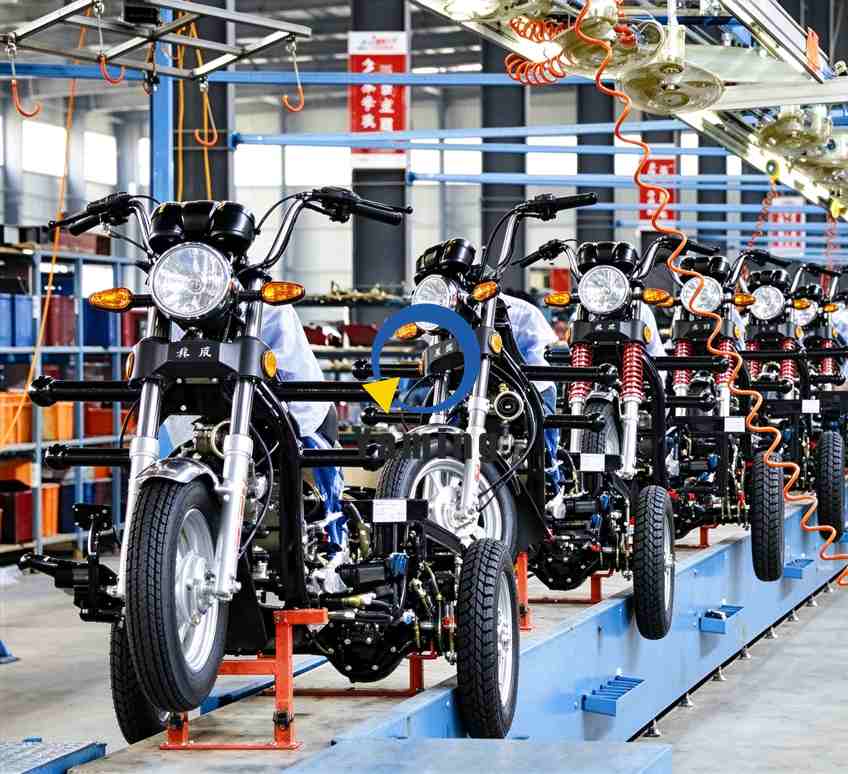
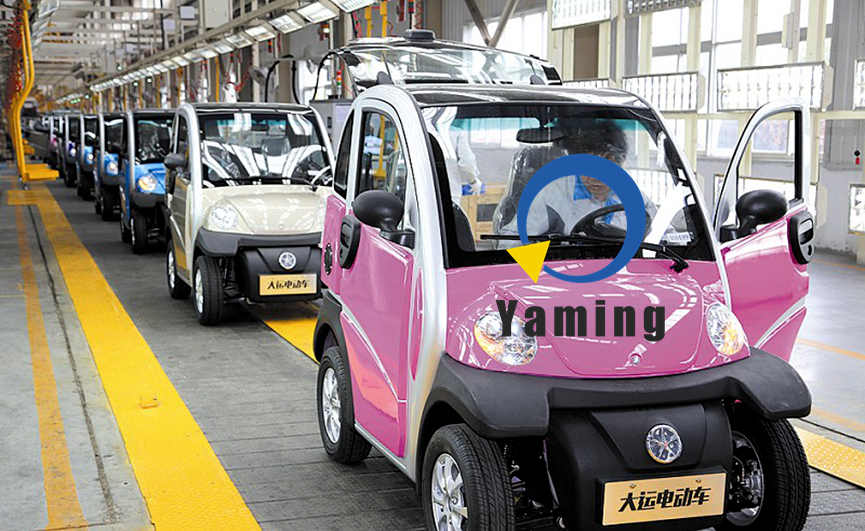
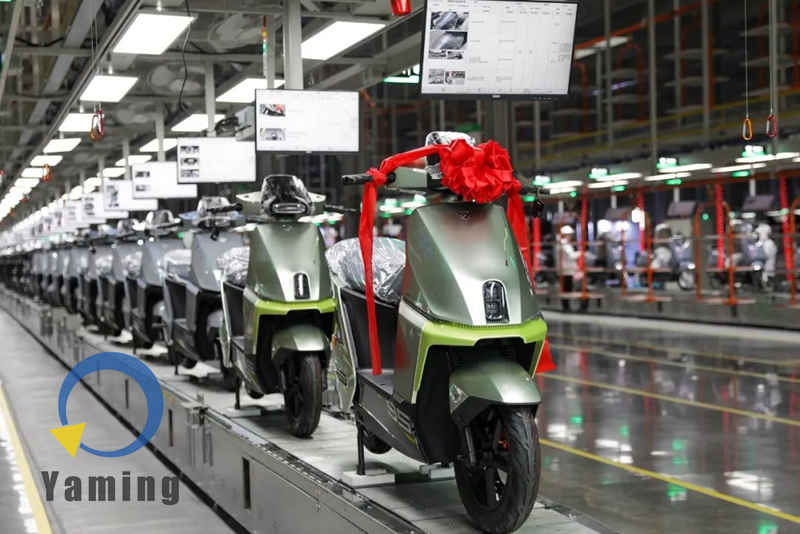
This assembly line is a two-wheeler and three-wheeler bracket component assembly line, mainly serving the motorcycle and electric vehicle component manufacturing industry. It is applied to the complete assembly of motorcycle brackets, electric two-wheeler frame brackets, and three-wheeler (tricycle) frame brackets and body supporting accessories.
“Electric two-wheeler” is used here as an industry-wide umbrella term. Depending on the market, it covers electric bicycles (e-bikes), electric scooters (e-scooters), and electric motorcycles (e-motos). Likewise, “three-wheeler” — also commonly called tricycle, tuk-tuk, or e-rickshaw in different regions — covers both fuel-powered and electric tricycles, whether used for passenger or cargo transport.
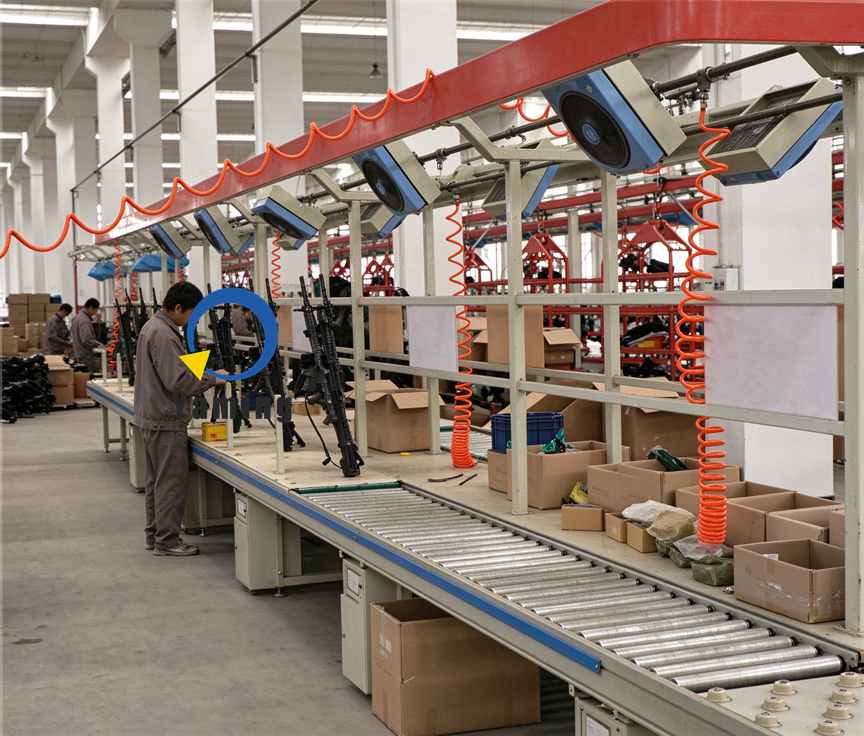
Adopting a roller conveyor modular workstation structure, the line functions as an independent parts production line dedicated to the assembly of all kinds of metal bracket components. Featuring strong universality, it is compatible with multiple specifications of fuel motorcycle, electric two-wheeler, and three-wheeler (electric or fuel tricycle) bracket workpieces. Regardless of bracket dimensions or structural complexity, rapid adaptation can be achieved by adjusting tooling fixtures and workstation layout. Product changeover can be completed without large-scale reconstruction of the line, making it particularly suitable for flexible production with multiple varieties and batch sizes.
The whole equipment can be put into operation independently as a stand-alone component assembly line in the workshop. It can also connect to the complete vehicle final assembly line as an upstream component supply unit to realize seamless connection between bracket assembly and vehicle assembly. The production line boasts compact structure and flexible layout, and can be arranged in straight, L-shaped or U-shaped configurations according to the actual workshop space, meeting mass assembly demands for bracket production in small, medium and large two-wheeler and three-wheeler component factories. Meanwhile, the line adopts modular standard component design. Workstations can be added and the line can be extended along with output growth later, which enables phased and controllable investment and lowers the threshold of one-time line construction. It is mainstream equipment for motorcycle, electric two-wheeler and tricycle bracket manufacturers to achieve lean and standardized assembly.
2. Assembly Process
The assembly process follows the standardized logic of “Positioning — Clamping — Pre-assembly — Tightening — Inspection — Conveyance”. The sequence of working procedures is as follows:
Workpiece loading and positioning → Clamp and fix the base bracket with tooling → Pre-place matched motorcycle / electric two-wheeler / three-wheeler accessories → Complete bolt tightening and component assembly with pneumatic tools → Inspection of component clearance and assembly dimension → Isolation and rework of non-conforming products → Offline conveyance of finished brackets.
Detailed description of each procedure:
Workpiece loading: Place the main bracket steadily on the tooling plate, which is conveyed to the workstation automatically. Locating pins and positioning blocks guarantee accurate placement of the bracket to prevent incorrect assembly and missing assembly.
Tooling positioning: Dedicated fixtures are equipped at workstations. The clamping and limiting structure securely locks the bracket to avoid displacement and shaking throughout assembly, providing a stable reference for subsequent fastening operations.
Accessory assembly: Workers fetch matched accessories from the line-side material bins and assemble bracket attachments, bushings, reinforcing plates and other components in sequence. Each workstation is fitted with pneumatic hose reels and air source interfaces. Air screwdrivers are used for rapid tightening of fasteners, replacing traditional manual wrenching, which greatly improves assembly efficiency and torque consistency.
In-line inspection: Check assembly completeness, uniformity of connecting clearance and whether tightening torque meets process standards synchronously at the workstation. Digital torque wrenches or torque calibration can be installed at key processes to realize controllable and traceable torque management.
Sorting and conveyance: Qualified finished products flow to the next process for further assembly or direct offline packaging. Defective parts are taken out at this workstation for isolation and rework to avoid non-conforming products flowing into subsequent stations.
The whole process is divided into separate steps with controllable takt. Operation time of each workstation is allocated evenly, fitting the multi-part and multi-step assembly logic of brackets. It is easy for new operators to get started, and convenient for managers to assign responsibilities at each workstation, calculate production capacity and trace quality.
3. Customizable Parameters
This assembly line can be customized according to customers’ workpiece and process requirements. Main customizable parameters are listed below:
- Conveyor type: Gravity roller / powered roller optional. Powered type suits automatic conveyance of long production lines; gravity roller type is for short lines with manual operation and lower cost.
- Total line length: Customized based on workstation quantity, single workstation length: 1.2–2.0m, flexibly set according to takt and operation density.
- Effective line width: 600~1200mm, adapted to bracket workpieces of different widths.
- Rated load per workstation: 50–300kg, customized according to actual weight of bracket workpieces. Reinforced rack is optional for heavy-load stations.
- Workstation quantity: 2~20 workstations configurable on demand, can be added gradually as output rises.
- Line height: 750–950mm, adjustable working height to accommodate both standing and sitting operation for better comfort.
- Optional supporting accessories: Tooling positioning fixtures, safety guardrails, material tables, pneumatic hanging brackets, lighting, parts bin supports can be selected and integrated as a whole.
- Applicable workpieces: Various motorcycle brackets, electric two-wheeler brackets (e-bike / e-scooter / e-moto), and fuel- or electric-powered three-wheeler (tricycle) brackets — whether passenger or cargo type. Custom tooling plates and profiling fixtures can be manufactured based on workpiece profiles.
- Running speed: Powered version: 0.5–6m/min with variable frequency speed regulation to meet different takt requirements; gravity roller version: manually pushed for flexible operation.
- Rack material: Welded Q235 square tube with electrostatic powder spraying finish, anti-corrosion and wear-resistant, stable in workshop environment for long service life.
All above parameters can be adjusted according to actual product drawings, production takt and workshop layout. We provide one-stop customized services from tooling design and line manufacturing to installation and commissioning.